

Prototype Your Day: Design Thinking for Personal Growth
Join us as we explore Design Thinking for Personal Growth: Rapid Prototyping Your Daily Routines. Together we’ll translate empathy, reframing, and iterative testing into tiny, compassionate experiments that fit real schedules, reduce friction, and amplify energy. Expect hands-on prompts, candid stories, and supportive check-ins that make improvement feel playful rather than punitive. Try something today, learn by tonight, and return tomorrow with sharper insights and renewed momentum toward a daily rhythm that reflects your values and helps you become who you intend to be.
Notice What Hurts and What Helps
Track two columns for three days: moments that drain you and moments that lift you. Describe context, people, and timing. Patterns will emerge, often hiding in micro-transitions between tasks. This gentle inventory turns vague frustrations into specific signals you can design around, protecting energy while elevating what already works reliably.
Turn Friction Into a Design Brief
Write one concise challenge that captures your chief bottleneck, then add measurable edges. For example: reduce morning email to twelve focused minutes using a timer, three templates, and two decision rules. Specificity narrows options, reduces anxiety, and invites playful experiments that respect boundaries while targeting exactly where time leaks away.
Pick the Smallest Possible Change
Ask what could be tested within one day, during real constraints, with almost no preparation or cost. Choose a version that feels slightly challenging yet obviously doable. Momentum matters more than ambition; early success builds confidence, lowers resistance, and makes longer, bolder redesigns easier to approach with steadier optimism.

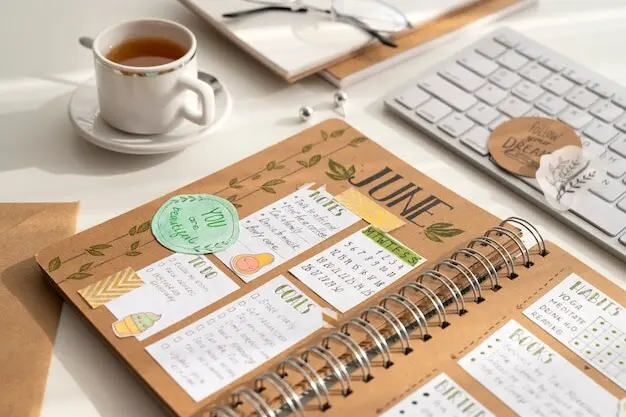

Chart Your Energy Waves
For one week, mark hourly energy from one to five, noting meals, meetings, and interruptions. Add a short reflection each evening. This lightweight dataset becomes your map for scheduling prototypes that cooperate with biology, not bravado, revealing when to push, when to pause, and when to simply protect margins.
Engineer Better Cues
Design visible, audible, or tactile triggers that start behaviors with almost no willpower. Place a water bottle on your keyboard at night. Set a lamp on a timer. Attach a stretch habit to coffee aroma. Well-placed cues invite participation, lowering resistance while increasing the chance of repeating wins consistently.
Lightweight Tools That Respect Your Time
Tools should reduce friction, not add ceremony. Choose objects and methods that survive busy mornings and messy realities: index cards, checkboxes, mechanical timers, visible calendars, simple dashboards. When your toolkit is humble and dependable, experiments run more often, data becomes trustworthy, and sustainable improvement finally edges out performative perfectionism in daily life.

Sticky Notes, Serious Results
Color-code notes by intention—start, stop, continue—and place them where behavior happens. A note on the remote can prompt a stretch before streaming; another on the fridge can suggest protein first. Physical presence beats buried reminders, creating an environment that argues gently for healthier defaults without constant inner negotiations.
The Five-Number Dashboard
Track only five numbers that predict a better day, such as sleep hours, steps, deep work minutes, nourishing meals, and messages sent. Plot quickly each evening. When signals drift, revisit prototypes. The minimal set preserves attention, reveals correlations, and makes course corrections easier to attempt without analysis paralysis.
Weekend Retrospective, Weekday Momentum
Reserve a calm half-hour to scan your week’s notes, celebrate three bright spots, and select one friction to address next. Convert insights into a single Monday experiment. This ritual honors progress, anchors focus, and protects energy from dispersing into too many changes chasing diminishing returns.
Five-Minute Mornings
One reader traded a sprawling checklist for a single five-minute focus sprint before messages. Timer set, door closed, one notebook page. Within a week, lingering tasks shrank. Confidence rose because starting felt easy. The sprint stayed, anchoring mornings without drama, unlocking deeper work later when energy naturally peaked.
A Commute Reimagined
Instead of doomscrolling, another commuter prototyped an audio-learning routine: downloaded two micro-lessons, pressed play during the first ten minutes, and reserved the rest for looking out the window. Mood improved, knowledge compounded, and phone cravings faded, all without extra time, only a redesigned, more deliberate transition between locations.
Dinner Without Decision Fatigue
A family adopted a rotating menu prototype using simple anchors—soup, stir-fry, sheet-pan, pasta, leftovers—with a default grocery list. Decisions dropped; waste dropped; togetherness rose. By choosing constraints that felt generous, they gained freedom, saving energy for conversation and play instead of scrambling nightly to reinvent meals from scratch.
Stories From Small Shifts
Real lives change through experiments that respect limits. These brief stories illustrate how gentle adjustments—tested quickly, measured simply, and refined kindly—can unlock time, attention, and joy. Borrow what resonates, remix what doesn’t, and remember that consistency, not heroics, is the quiet engine driving durable, satisfying transformation across ordinary days.
Find an Accountability Partner
Choose someone kind and consistent, ideally outside your immediate context. Exchange weekly intentions, define success signals, and celebrate micro-wins together. Keep commitments light yet visible. The relationship becomes a mirror and a safety rail, catching wobbles early and turning solitary experiments into shared adventures that feel achievable and inspiring.
Share Your Prototypes
Post a snapshot of today’s experiment and one lesson learned. Ask a clear question inviting suggestions. Public reflection accelerates insight, attracts allies, and normalizes imperfect attempts. You will notice patterns sooner because explaining them to others strengthens understanding and keeps your attention on behaviors rather than passing excuses.
Join the Conversation
Tell us which routine you plan to prototype this week, and why it matters right now. Leave a comment, subscribe for new prompts, or reply with a voice memo. Your questions guide future experiments, shaping a supportive place where learning together becomes both practical and unexpectedly energizing.
All Rights Reserved.